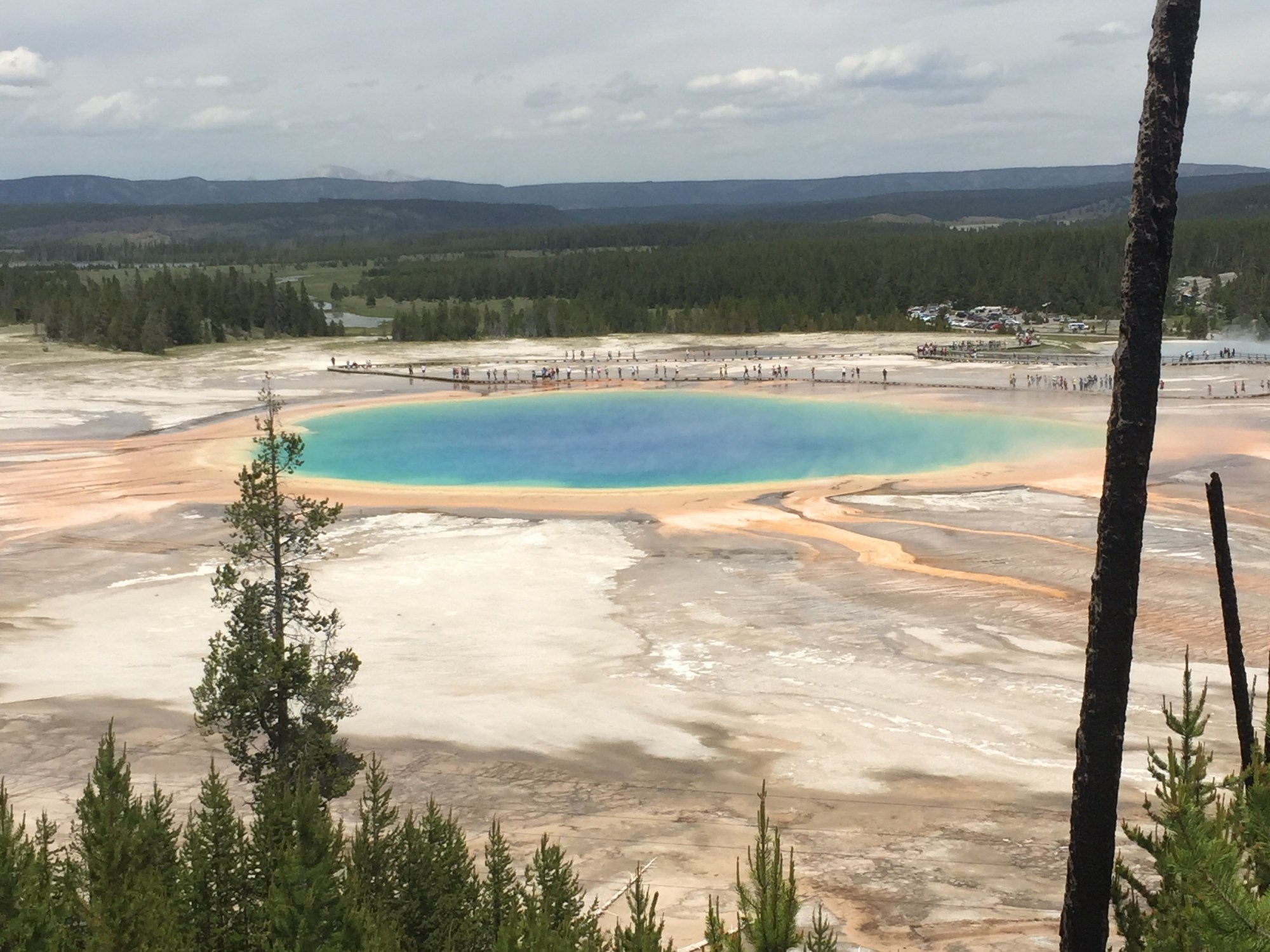
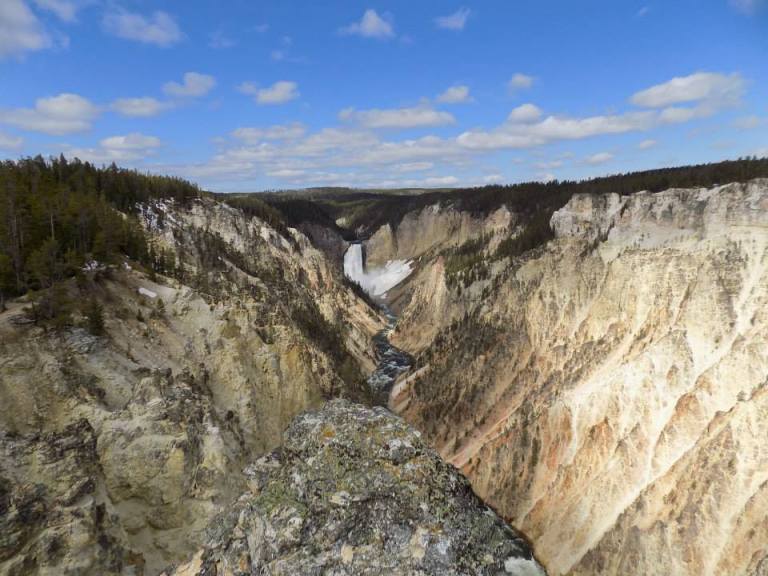
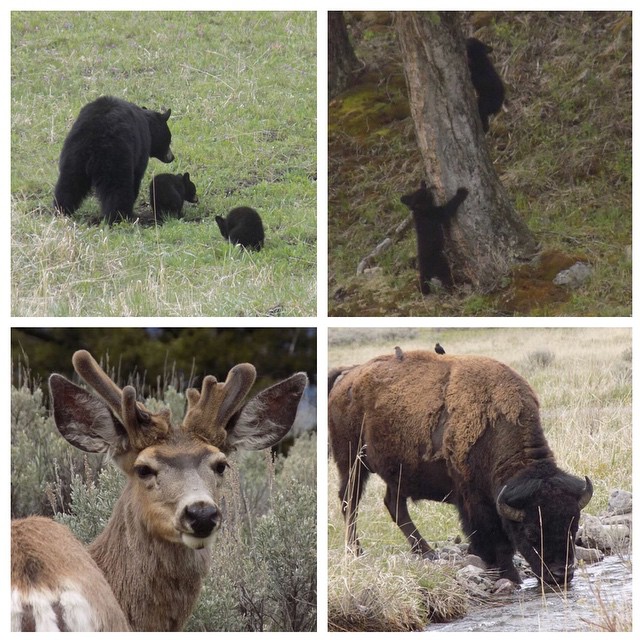
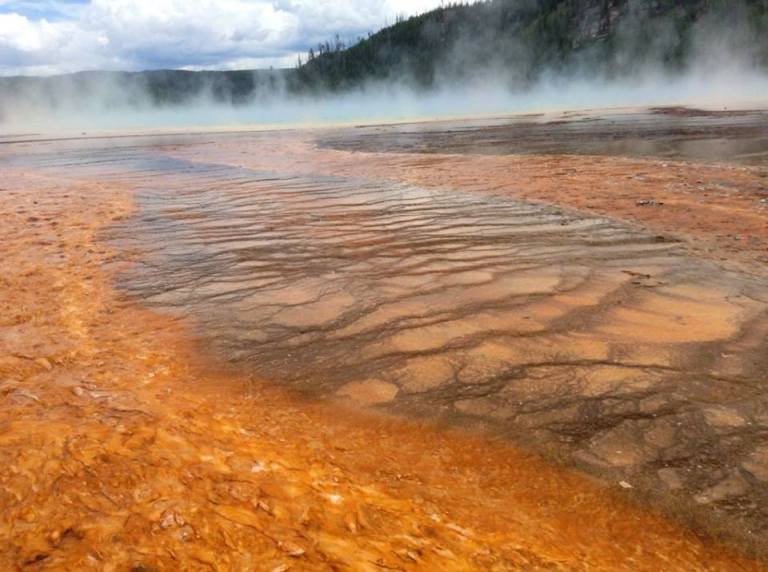
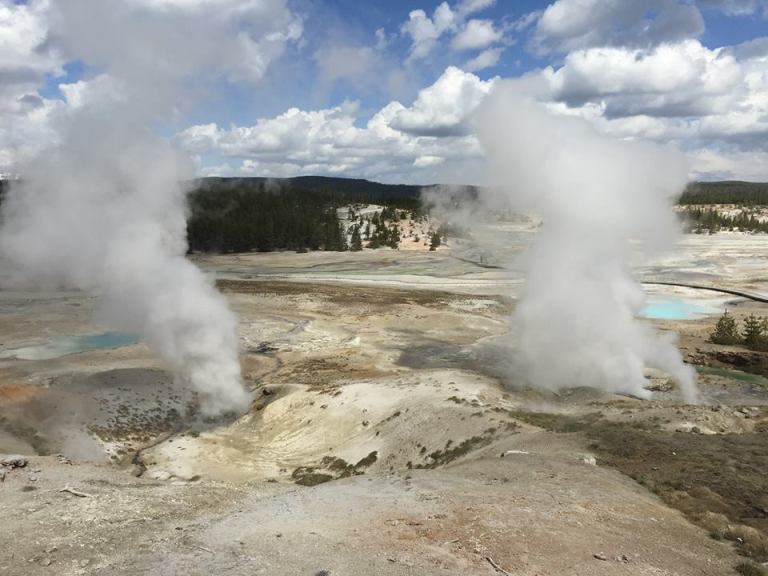
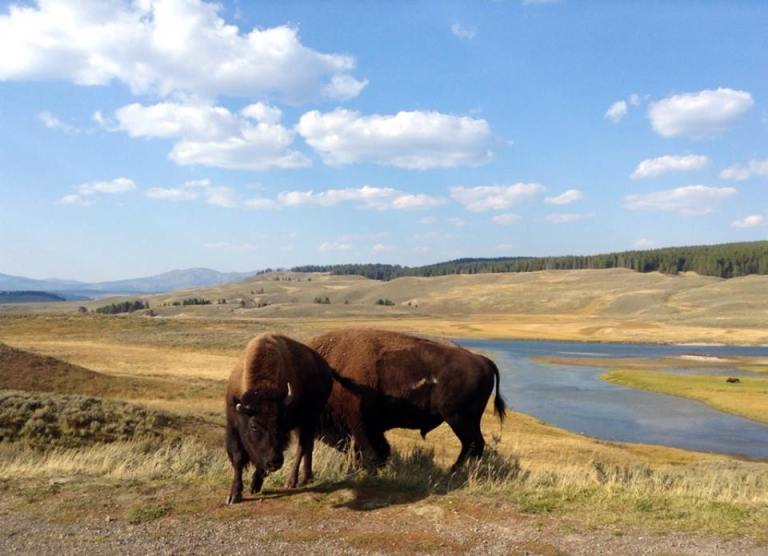
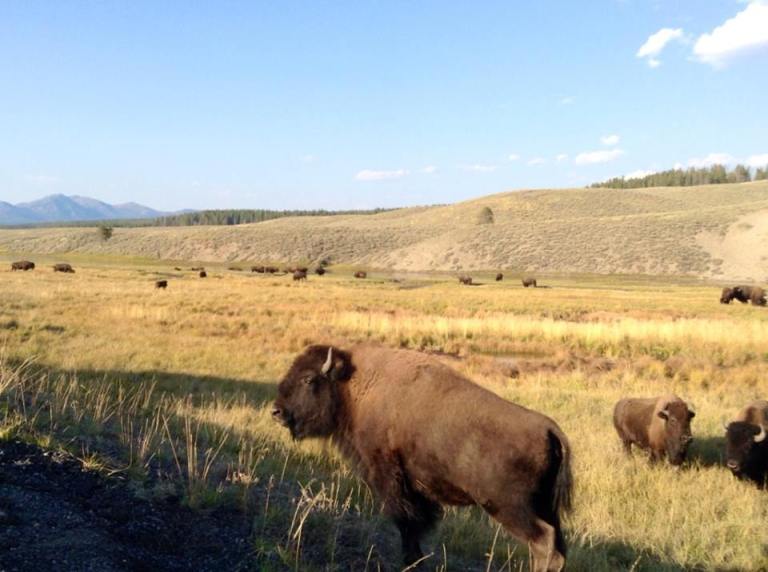
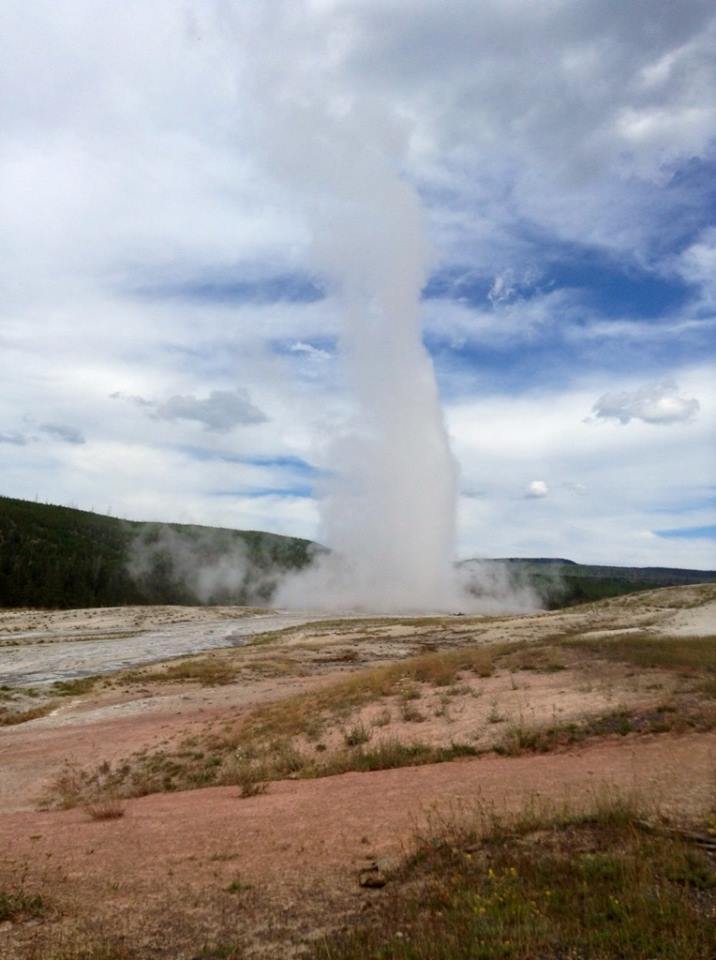
 Having the distinction of becoming America’s first ever National Park way back in 1872, Yellowstone National Park (or simply the park as well call it) is perhaps the most unique wonder in a country full of them. Idaho, Montana, and Wyoming were not even States at that point in time, as today they all contribute to the 3,468 square miles that make up the park (the vast majority of which is in Wyoming). The acreage is bigger than the states of Delaware and Rhode Island combined. The most popular driving route through Yellowstone is called the Grand Loop, and for 142 miles takes drivers to some of the parks key tourist sites for a jaw dropping experience. Those that drive the Grand Loop spend 4-7 hours in their car depending on how many bison and elk jams they run into, and in that entire drive still see only see about 4% of the parks offerings. It is remarkable how much of the park feels like the untouched western frontier. Passengers of the loop will see Yellowstone Lake, the Grand Canyon of the Yellowstone, Norris Geyser Basin, The Grand Prismatic, Mammoth Hot Springs, and numerous other tourist outcroppings that do not require much walking out of your vehicle. The Grand Loop is one of the most spectacular drives in America, but to really experience Yellowstone you must do so one foot after another. It is also home to the highest concentration of geysers in the world, with Old Faithful one of the over 300 active geysers that attracts visitors each year. Yellowstone contains an immense wildlife population with staples like elk, bison, antelope, deer, wolves, black bear, and of course grizzly bears to name a few that are roaming the confines of the undeveloped back-country. 50 mammal species, 311 bird species, 18 fish species, 6 reptile species, 4 amphibian species, and 5 endangered or threatened species call it home. The Brewster M. Higley western classic “Home on the Range” feels as though it was wrote specifically for Yellowstone with lines like:
“Oh, give me a home where the buffalo roam,
Where the deer and the antelope play,
Where seldom is heard a discouraging word
And the skies are not cloudy all day.”
Yellowstone also is the largest active supervolcano on the continent, having last erupted some 640,000 years ago. That eruption was more than 1,000 times larger than the 1980 eruption of Mount Saint Helen’s. It is part of what has made the park such a marvel, and part of what terrifies those that understand what is lurking below the breathtaking surface. It is estimated that there is enough volcanic material below the surface of Yellowstone that an eruption would fill the entirety of Lake Erie twice. Numerous doomsday theories exist as to when Yellowstone is due to blow next, as well as theories that it could mean the end for all of North America with a blanket of ash. A common joke around Yellowstone was, “Hey, if it is going to blow I am glad I will be one of the ones to go instantly and not suffer through the nuclear winter!” Fortunately, there has not been any imminent signs of an eruption, and we may get lucky for another few million years for all anyone really knows at this point. While it was more of a running joke as we would hike around the parks rugged peaks formed from previous volcanic explosions, one does get a hint of danger lurking in the back of their minds while trekking along.
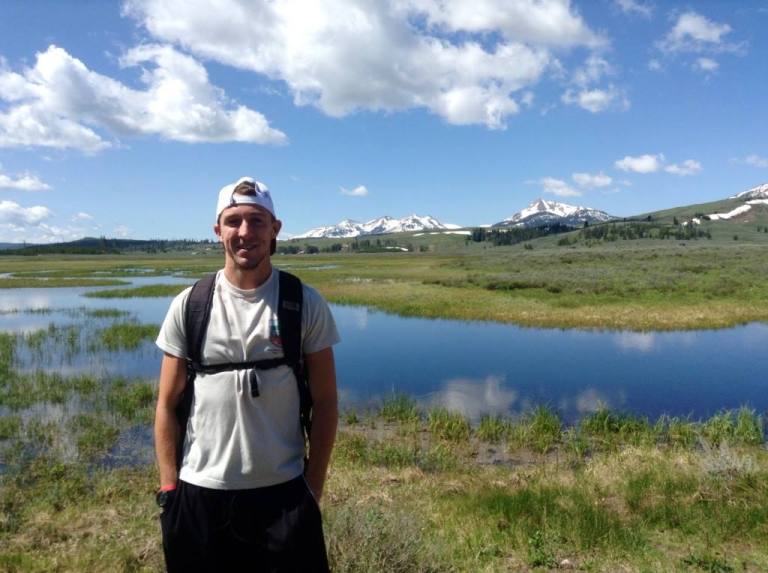
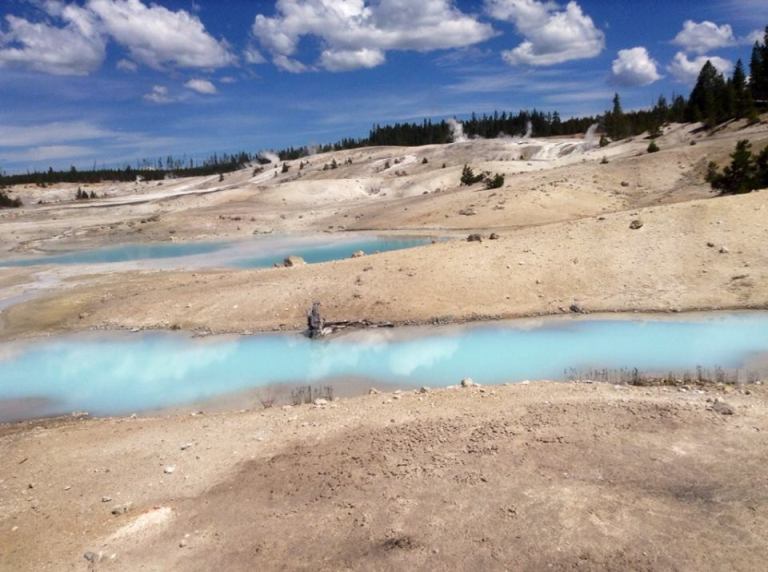
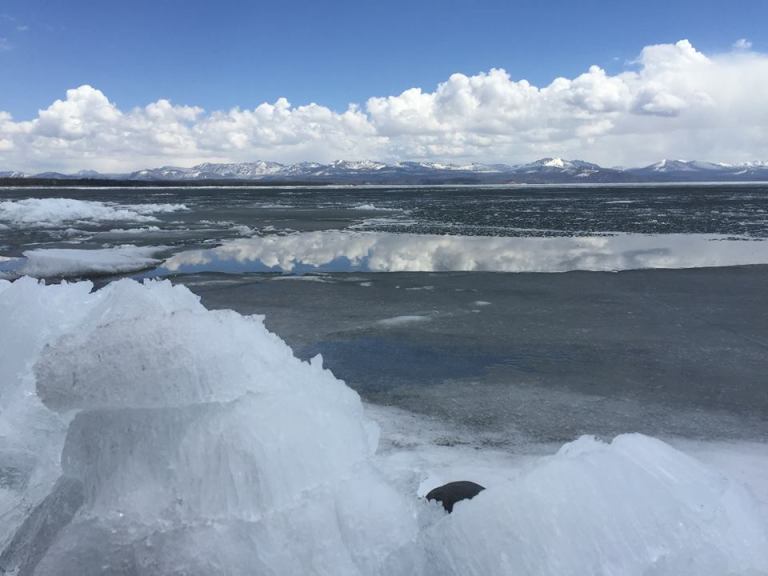
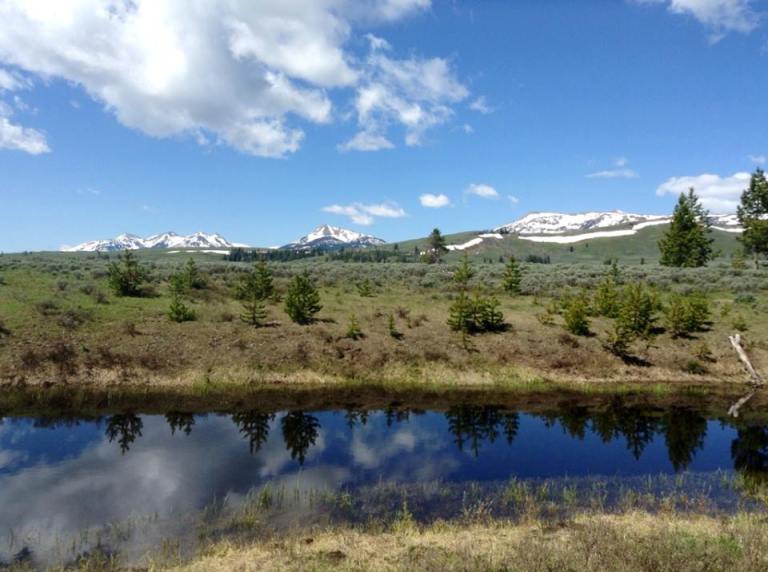
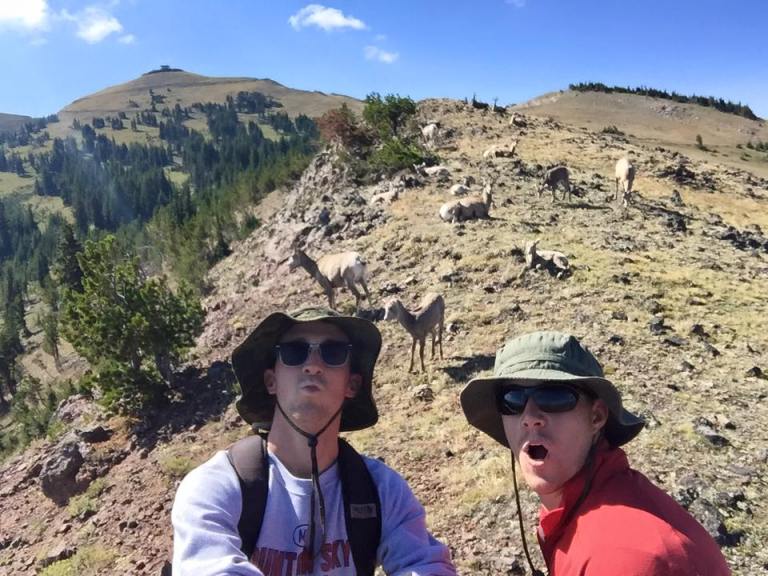
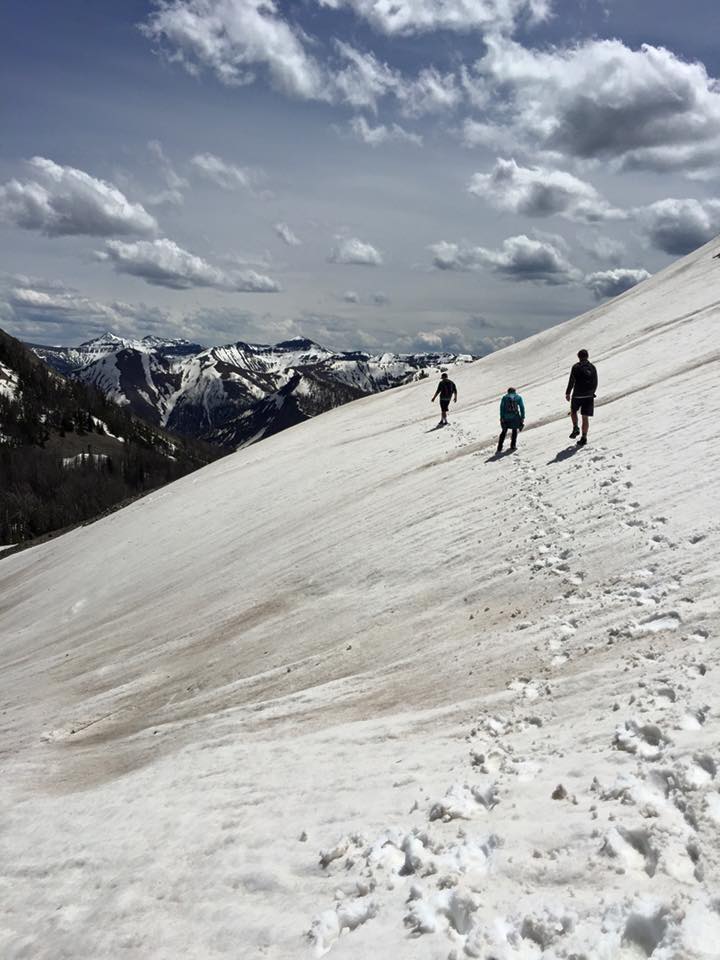
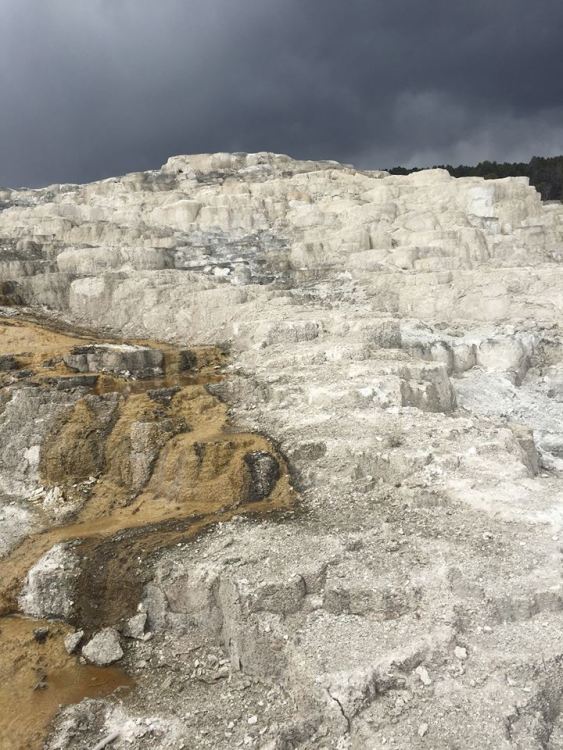
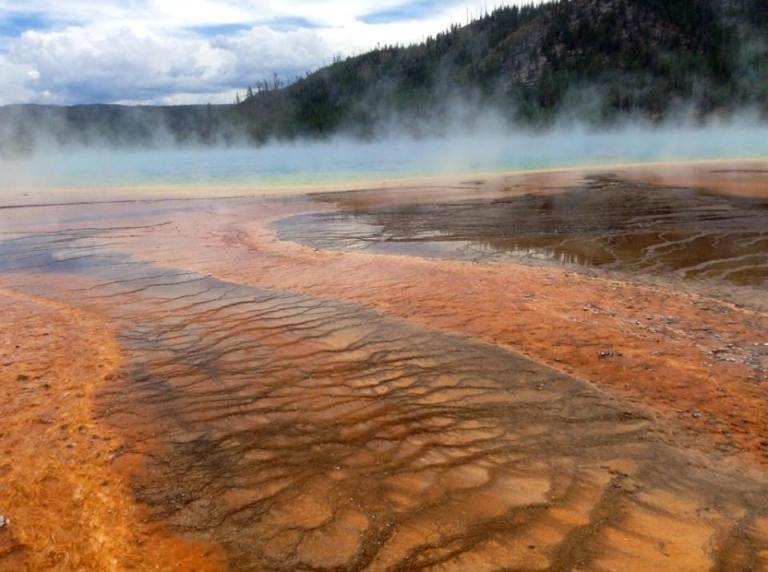
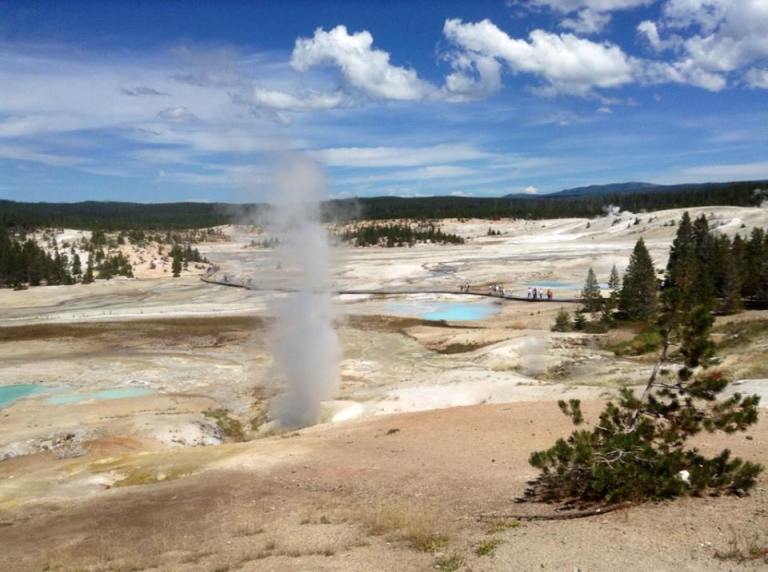
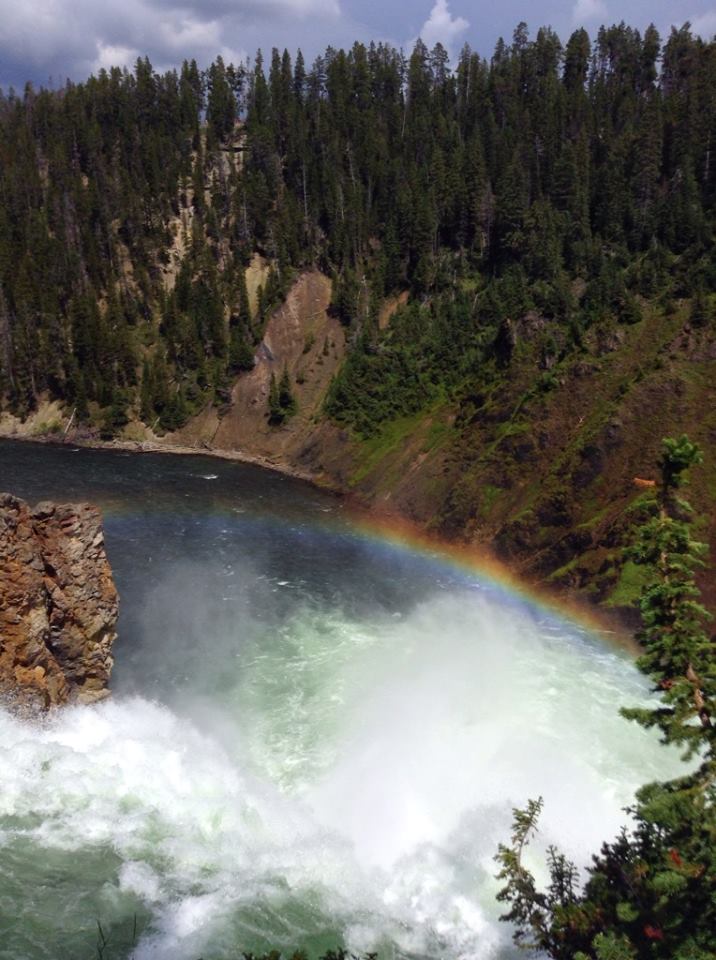
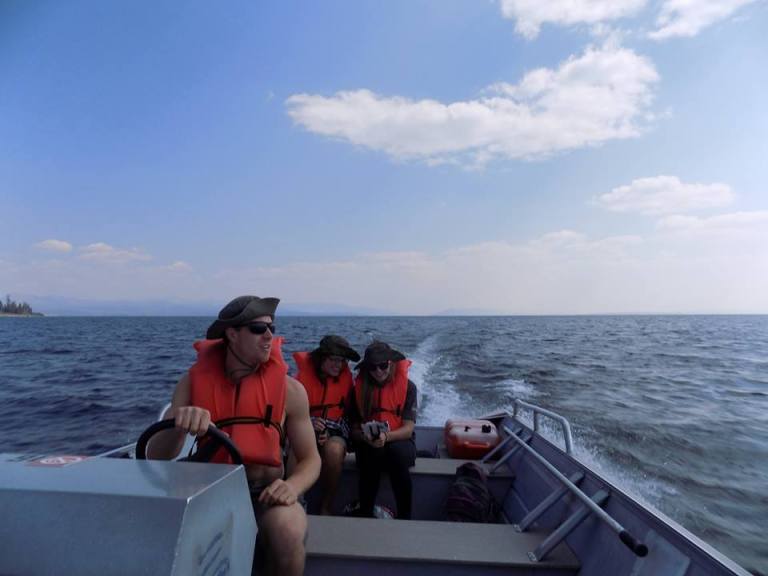
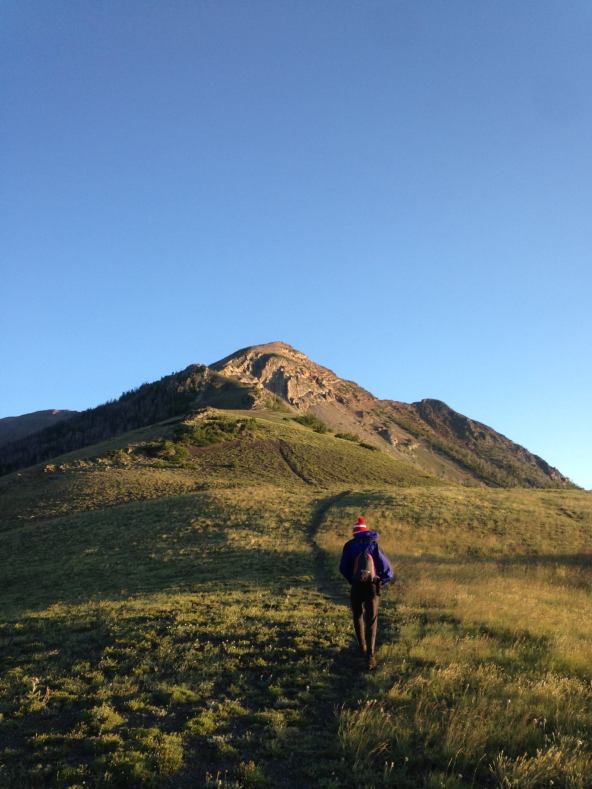
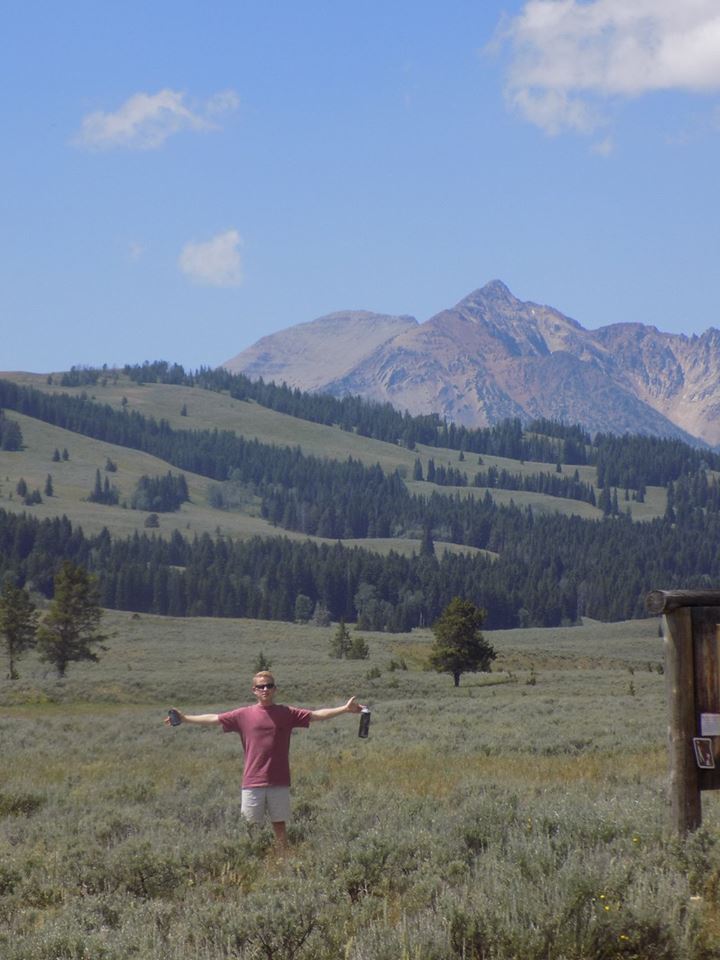
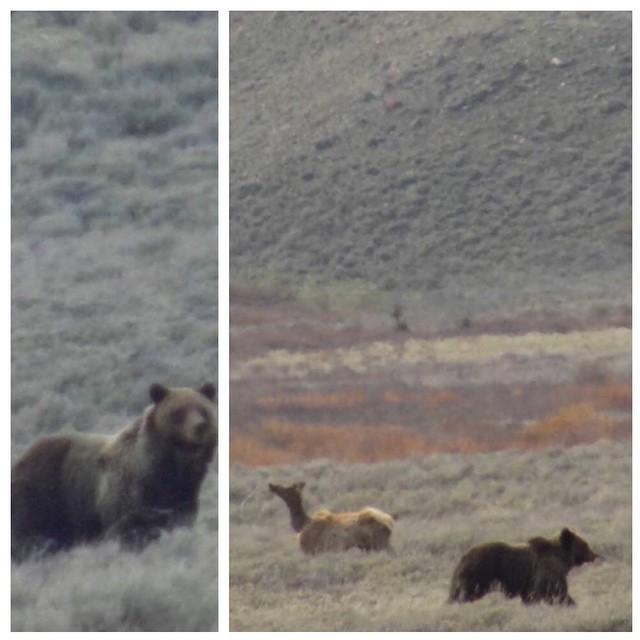
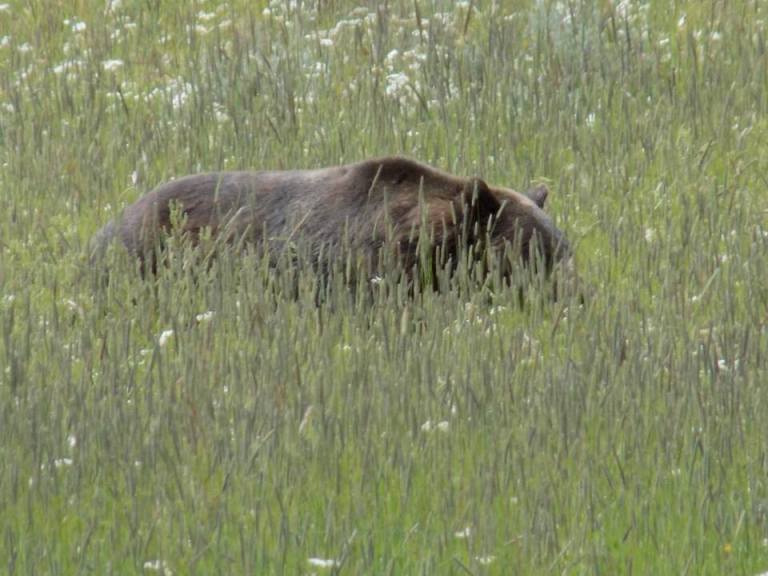
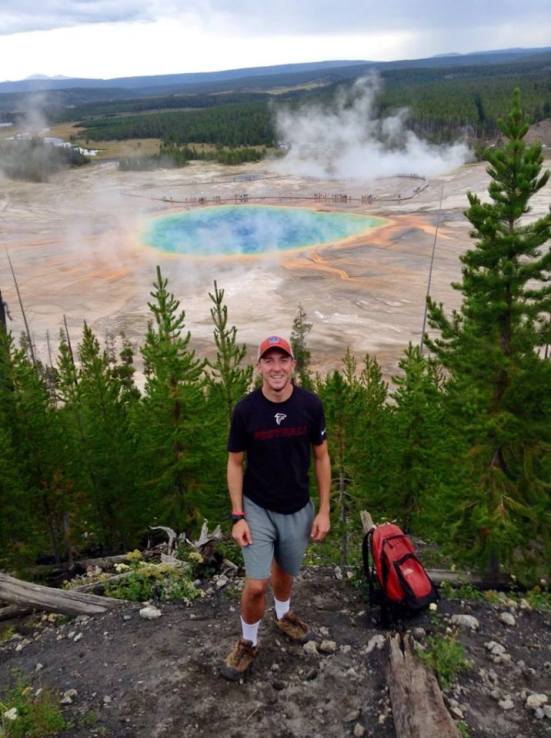
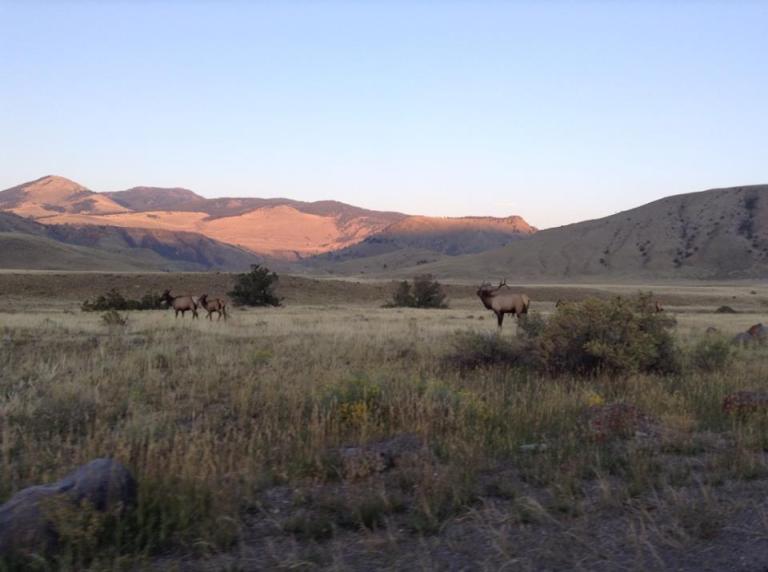
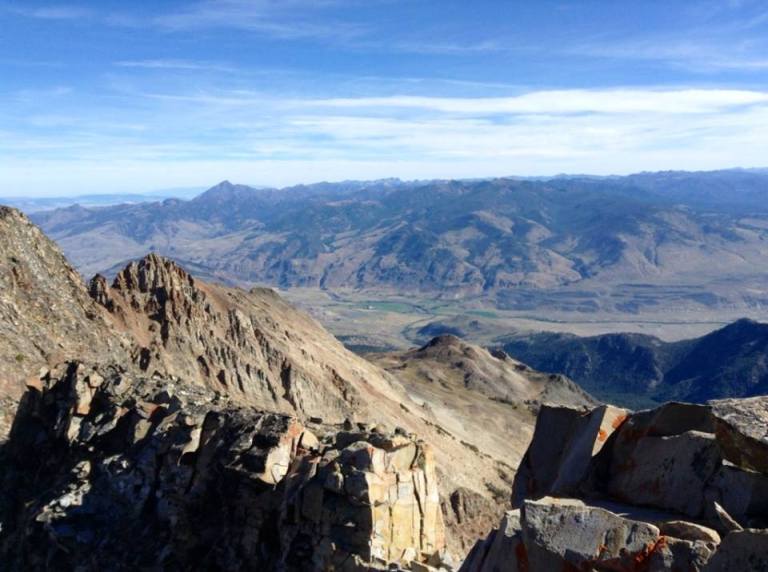
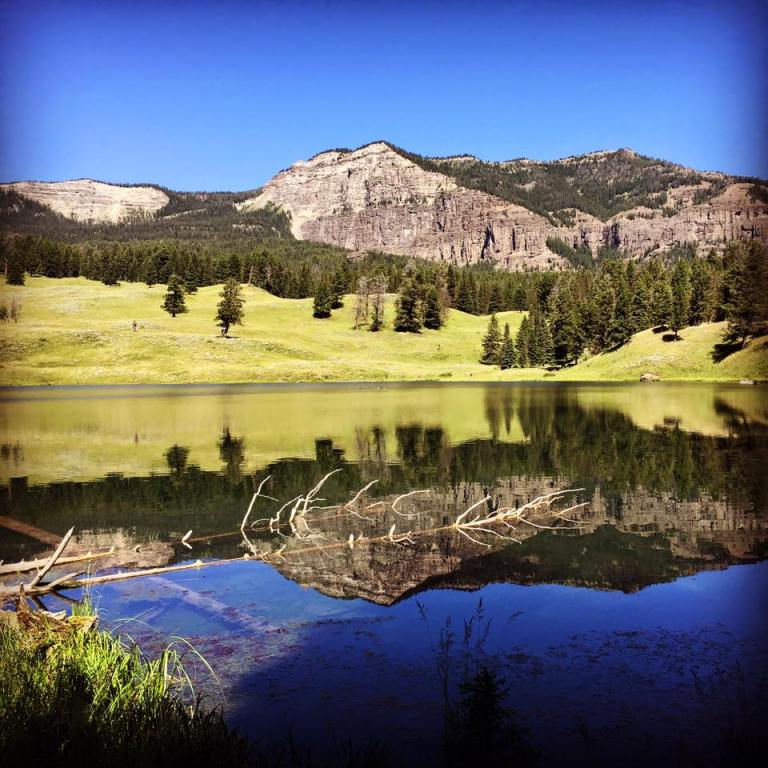
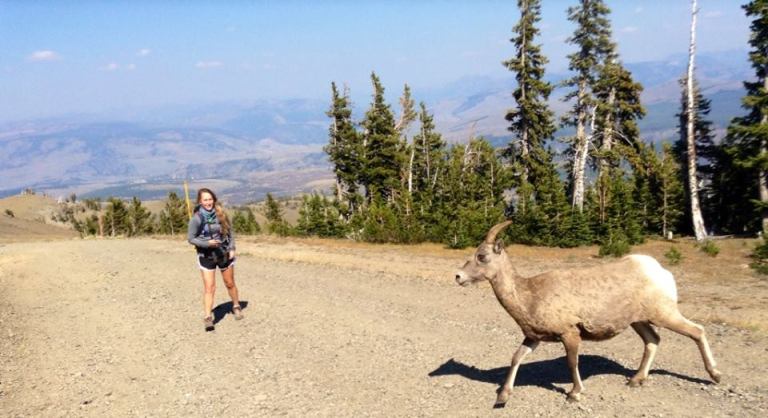
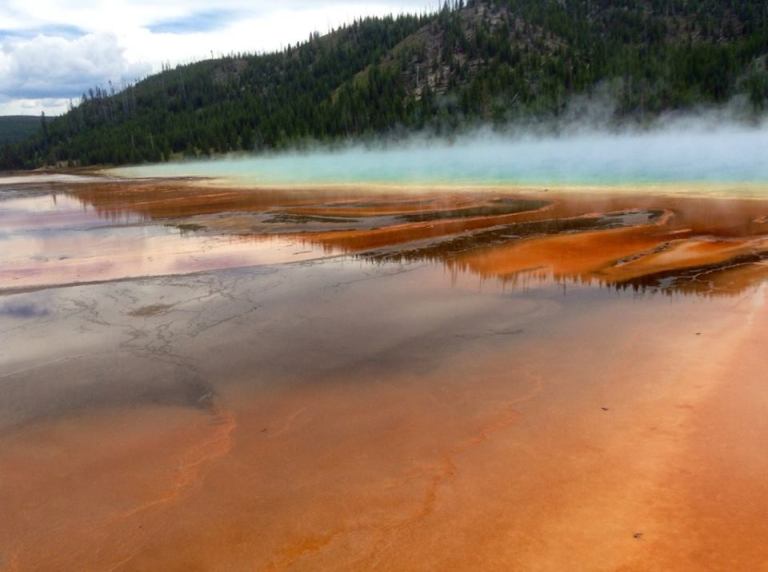
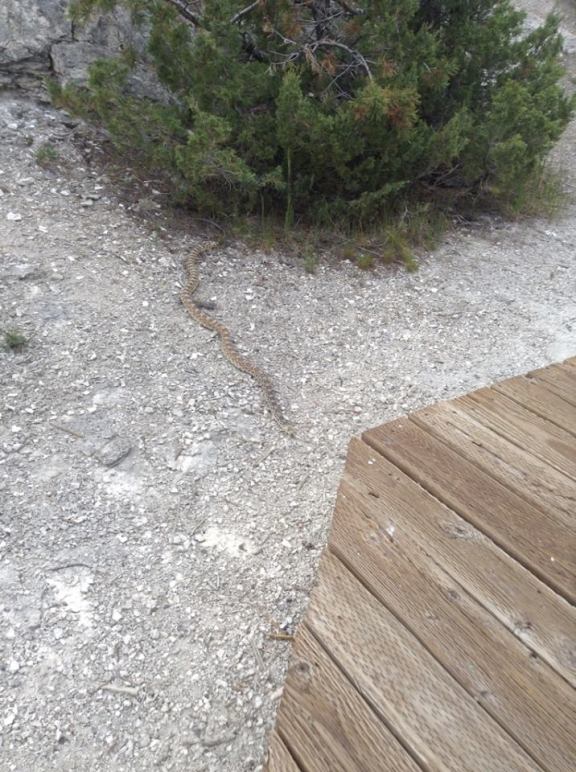
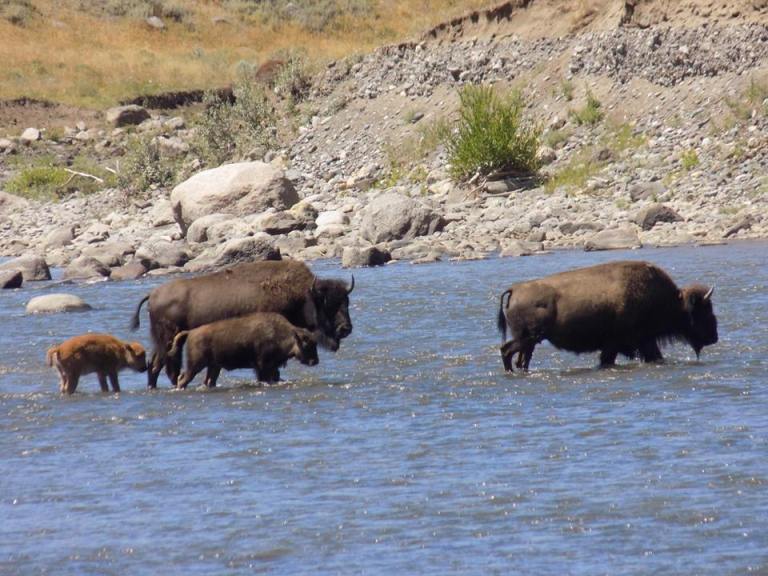
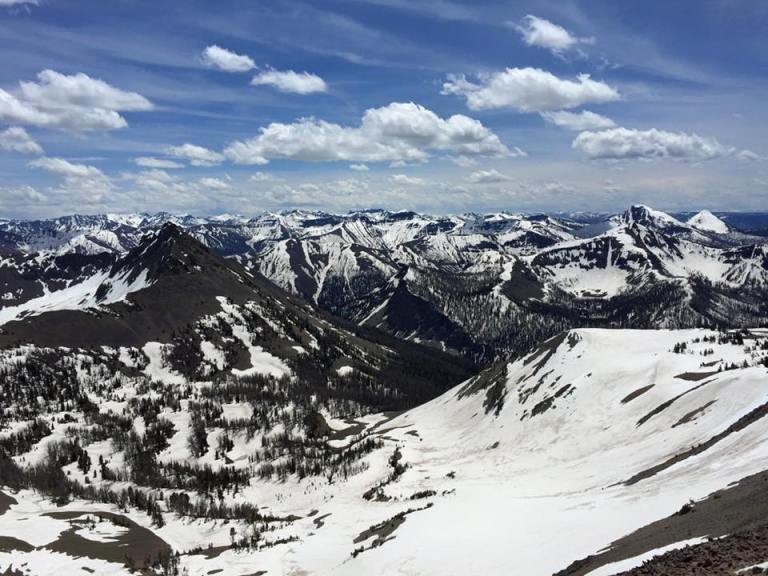
The ranch is a mere 45 minute drive from the Northern entrance of the park, and we certainly took advantage of our access as much as possible. Included below are some photos of my most memorable experiences in Yellowstone National Park. If you haven’t already, I can only hope you experience some of these places first hand. The photos do not do it justice, but let me try anyways:



 My Life in Paradise